I Restored the Russell Moccasin CEO's Personal Boots
March 2025
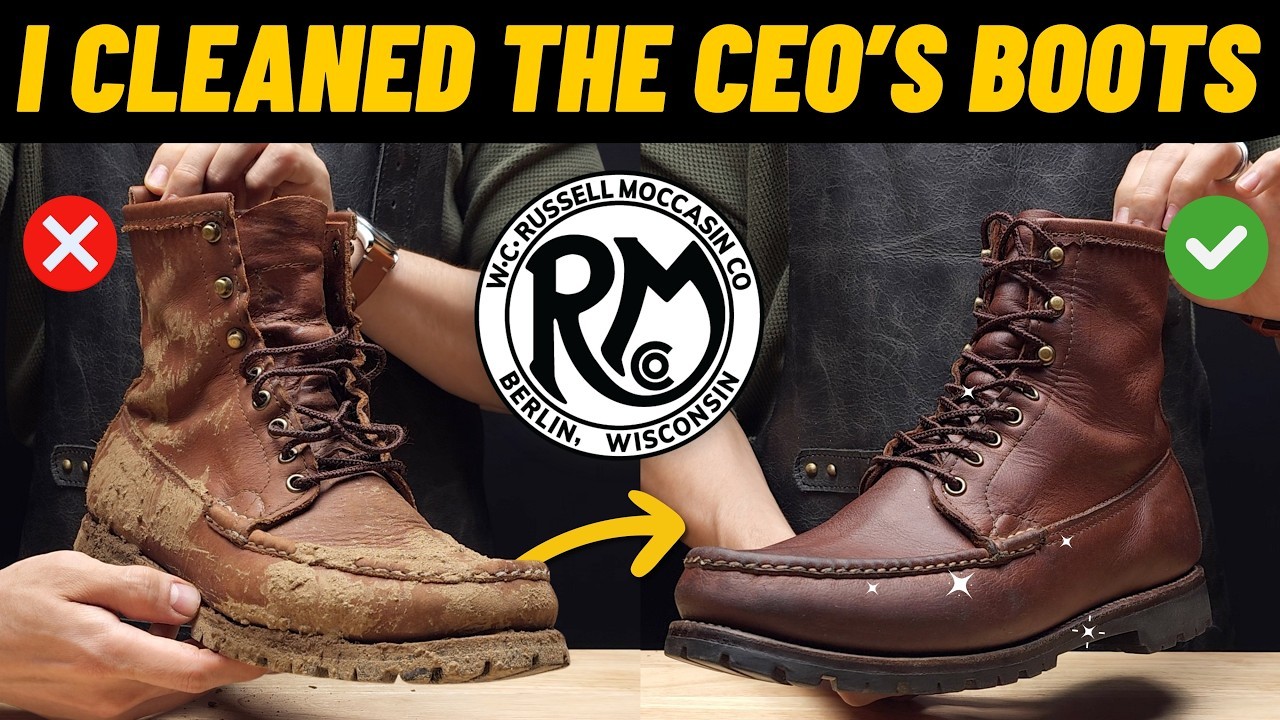
The CEO of Russell Moccasin recently sent me a package containing his personal boots. They arrived caked in dried mud, visibly parched, and long overdue for a professional restoration. To the untrained eye, these boots looked like they were ready for the bin.
That assumption is the primary trap of modern consumerism. We have been conditioned to believe that when leather looks tired, it is finished. In reality, quality leather is almost always just one thorough cleaning away from another decade of service.
These boots are made from Timberjack leather from the S.B. Foot Tannery. This is a heavy, oil tanned hide designed for the specific demands of outdoor work. Because the leather is so durable, it often lures owners into a false sense of security. They believe the boot can handle anything, which leads to the kind of neglect I saw on my workbench.
The Destructive Nature of Dried Mud
The first step of any restoration is the most humble: the dry brush. These boots were covered in a layer of mud that had turned into a desiccated crust. Mud is a silent killer of leather because it acts as a high powered desiccant. It sits on the surface and sucks the vital oils out of the hide, leaving the fibers brittle and prone to cracking.
I use a horsehair brush for this stage because the bristles are dense yet gentle. A cloth is useless here: it only smears the dirt deeper into the grain or the stitching. The horsehair bristles reach into the nooks of the welt and the tongue where the most damaging grit tends to hide. Brushing is the only way to remove abrasive particles without scratching the leather surface.
I avoid using high pressure water or a hose at all costs. While it is tempting to blast the mud off, soaking the leather can lead to long term structural issues. If the moisture does not dry perfectly, you risk mold or a breakdown of the internal components. Dry brushing is the safest and most effective way to begin.
Deep Cleaning with Linseed Oil
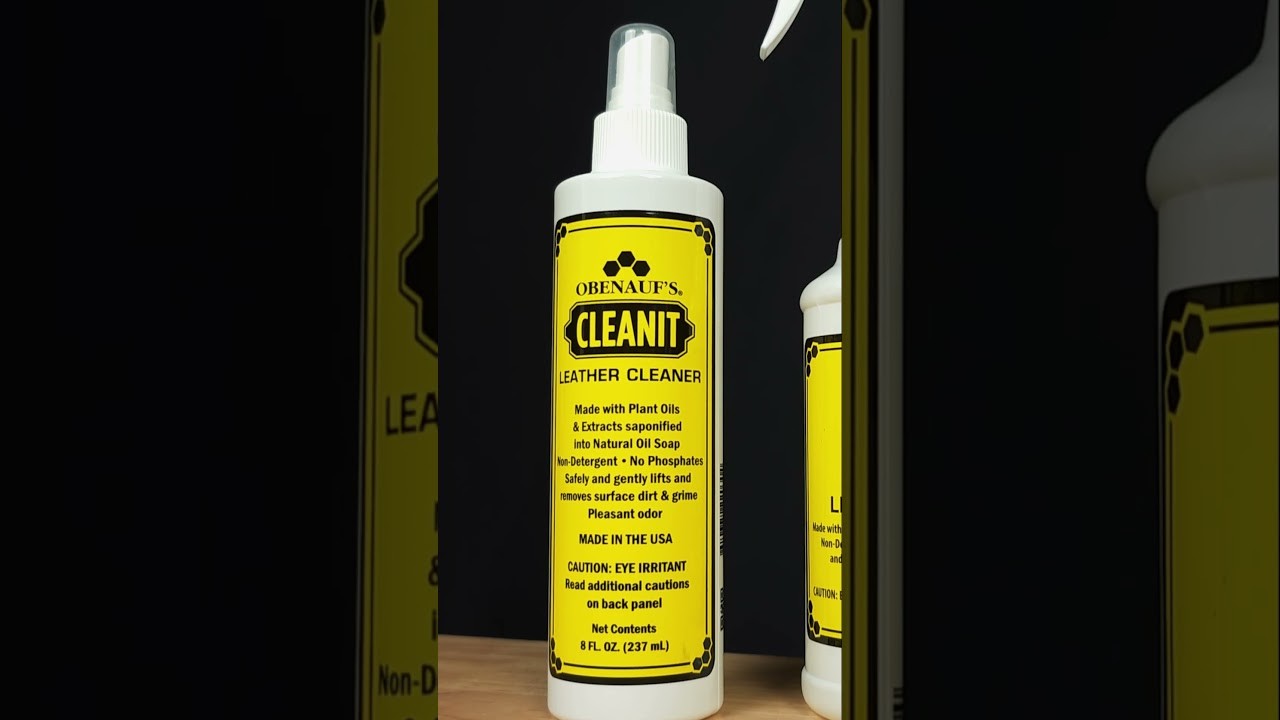
Once the loose debris is gone, the leather needs a deep clean to remove the grime that has bonded with the grain. For this, I rely on Obenauf’s Clean It. This is a specialized cleaner made from saponified linseed oil. It lifts deep seated dirt without the use of harsh chemicals that can further strip the leather.
I apply the cleaner and wipe away the gunk with a clean cloth. You should not be surprised by the amount of black residue that comes off. Even on a boot that looks "clean," there is often a layer of oxidized oils and environmental pollutants. I work one panel at a time to ensure even coverage across the entire boot.
It is common for the leather to look splotchy or significantly darker during this process. Do not panic when this happens. Genuine leather absorbs moisture at different rates, but it will even out as it dries. Use light and even strokes rather than scrubbing aggressively in one spot to avoid damaging the grain.
The Hidden Importance of Internal Care
A step that most people skip is cleaning the interior of the boot. This is a mistake because the lining often takes the most abuse. Your feet produce sweat, salt, and oils every time you wear these boots. Over time, this salt crystallizes inside the fibers and acts like tiny saws, cutting the leather from the inside out.
I use the same cleaner on the leather lining to neutralize these salts. This prevents the interior from becoming stiff and brittle. If you want your boots to last a lifetime, you must care for the parts that no one else sees. A clean interior also prevents the buildup of bacteria and the odors that come with it.
The laces require the same level of attention. They pick up salt and dirt which makes them stiff and prone to fraying. I spray them down and rub them through my fingers to restore their flexibility. If I see loose threads at the ends, I use a lighter to quickly flame seal them. This simple maintenance keeps your laces from unraveling and ensures they stay tied during a long day of work.
Reintroducing Essential Oils and Waxes
Now that the leather is clean and dry, it is thirsty. It is time to reintroduce the oils that keep the hide flexible and resilient. For a heavy duty boot like a Russell Moccasin, I use Obenauf’s Heavy Duty LP. This product was originally formulated for wildland firefighters who deal with extreme heat and moisture.
It contains a blend of natural oils and beeswax. I prefer to apply this conditioner with my hands. My body heat helps melt the wax, which allows the product to penetrate deeper into the leather fibers. You can see the color return instantly as the thirsty hide drinks up the oils.
The oils restore the internal suppleness while the beeswax creates a protective barrier on the surface. This barrier is essential for water resistance and for preventing future mud from sticking. It is the difference between a boot that survives a storm and one that gets ruined by it.
The Final Distribution and Polish
After the conditioner has been applied, I go back to the horsehair brush. This is not for shining, but for distribution. Brushing the leather at this stage breaks up any excess product sitting on the surface. Too much conditioner is actually a problem: it can attract dust and create a sticky buildup.
The friction of the brush warms up the wax and ensures it is spread evenly across the welt and the creases. This step gives the boot a clean, matte finish that highlights the natural patina of the Timberjack leather. The goal is a boot that looks healthy, not a boot that looks greasy.
Restoring leather is an act of stewardship. When you take the time to clean and condition a pair of quality boots, you are opting out of the cycle of disposable goods. These boots are now supple, protected, and ready for another few hundred miles. They will continue to break in and mold to the owner's feet rather than breaking down and heading to a landfill.
If this helped your leather, consider supporting Evumies. It is always free, and always will be. A small tip keeps the mission going: Support Evumies.
Watch the Full Video
See every step of this process in the video this post is based on.
Evumies Recommends
Products We’ve Tested & Trust
EVUMIES RECOMMENDED
Leather Honey Leather Conditioner
Keeps leather supple and crack-free — one coat lasts up to 6 months.
4.9
See on Amazon
EVUMIES RECOMMENDED
Bickmore Bick 4 Leather Care
Restores moisture to dried leather without darkening or leaving any residue.
4.7
See on Amazon
As an Amazon Associate, Evumies earns from qualifying purchases.