Is Your Leather Jacket Ruined? You Need To Try THIS
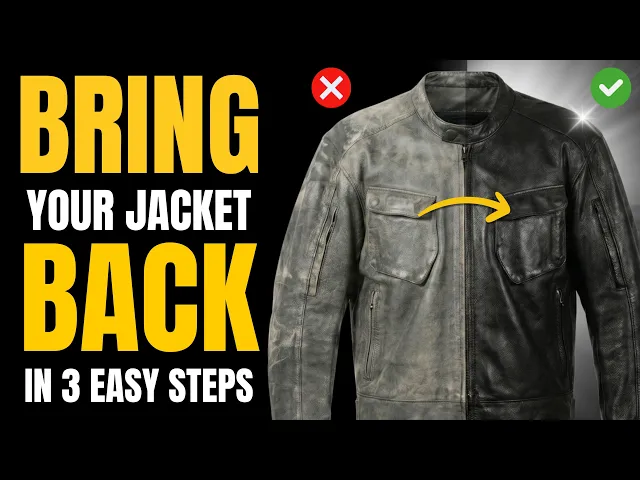
Your favorite leather jacket likely looks like a relic. It is faded at the cuffs, the color is patchy, and perhaps you found a dusting of white mold after a season in the closet. You might think it belongs in a donation bin or, worse, a landfill.
The reality is that you are probably looking at a perfectly salvageable piece of craft. People discard high quality leather every day because they confuse surface neglect with permanent damage. This is a failure of information, not a failure of the material.
Leather is remarkably resilient if you understand how to communicate with the fibers. I have spent years refining a system to bridge the gap between a jacket that looks "ruined" and one that looks intentional. I call it the Three C's: Clean, Color, and Conserve.
Stripping Away The Neglect
Before we address the color or the feel of the leather, we must remove its history. Surface dirt, dust, and environmental debris act as a barrier. If you apply conditioner or pigment over a dirty jacket, you are simply sealing in the grime.
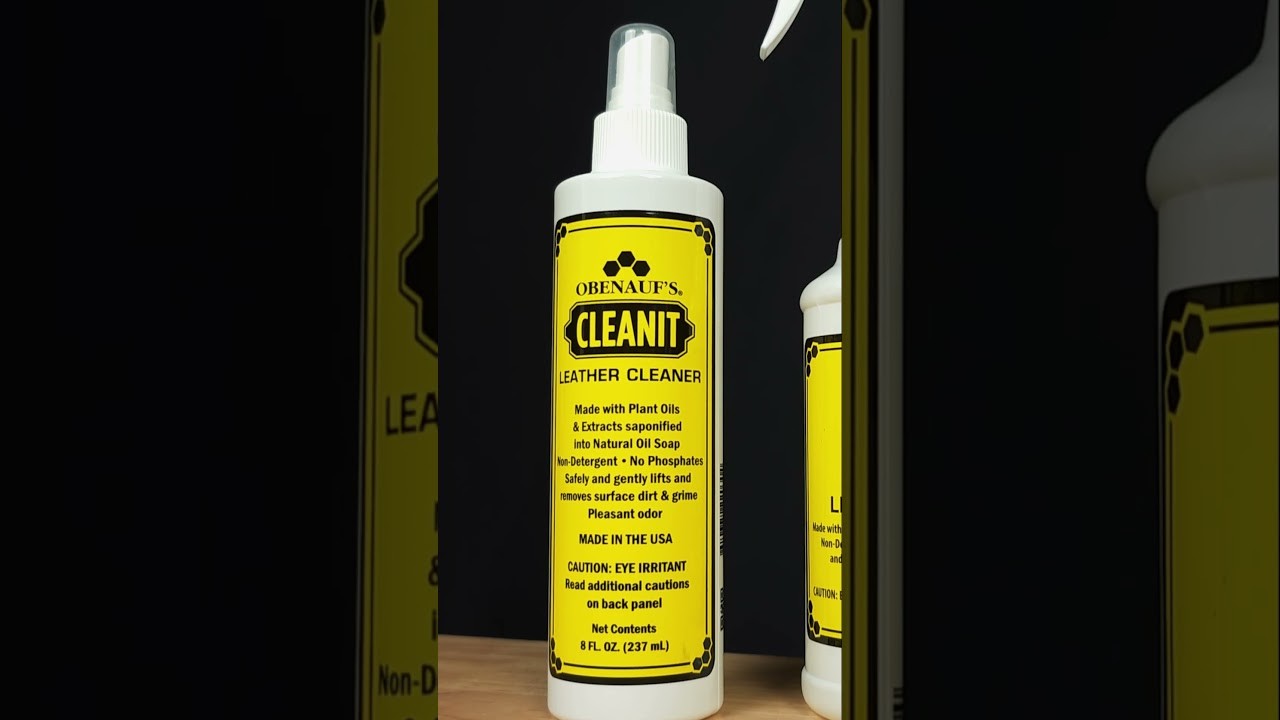
I prefer to use a dedicated spray cleaner applied directly to a cloth. Never soak the leather, as oversaturation can lead to structural warping over time. Work one panel at a time to ensure even coverage.
If you discover white, dusty spots on the surface, you are likely dealing with mold spores. This typically happens when a jacket gets caught in the rain and is tossed into a dark closet while still damp. If it is surface-level, you can clean it, dry it, and move forward.
However, you must be honest about the extent of the growth. If the jacket is covered in black mold or has been wet for months, it is probably a goner. For everything else, wear a mask, work outside to keep spores out of your house, and proceed with the cleaning process.
Restoring Depth Without Ruining Patina
Once the leather is clean and dry, you can address the fading. Most people reach for aggressive dyes immediately, but I find that a recoloring balm is a much smarter starting point. A balm provides a hybrid solution: it hydrates the leather like a conditioner while depositing pigment.
Before you apply anything to the entire jacket, you must spot test. Use an inconspicuous area like the inside of the collar. This ensures the color match is accurate and the leather accepts the product correctly.
Apply a thin, even coat to the faded areas. I find that a horsehair brush is the best tool for this job. It allows you to work the pigment into the nooks, crannies, and stitching without leaving the streaks a sponge might.
It is vital to manage your expectations regarding texture. A recoloring balm fixes color, not physics. If your leather is physically shredded from a motorcycle accident, the balm will turn the gray fibers black, but it will not regrow the grain.
Similarly, if your jacket is made of "faux" leather or PU, no balm will save it. Once plastic starts peeling, the bond is broken forever. If you have real leather, however, a quality balm will bond to the fibers rather than sitting on top like a layer of opaque paint.
Why Pigment Choice Matters
I have used alcohol-based dyes for years, and they are unforgiving. One slip and your kitchen table or your flooring is permanently stained. I have moved toward vegetable-based balms for my personal collection.
These balms are water-soluble until they fully cure. This gives you a window of forgiveness that professional dyes simply do not offer. If you get it on your hands or your workspace, you can simply wipe it away.
Beyond the ease of use, these products are better for the longevity of the garment. They do not contain the harsh solvents or "forever chemicals" found in many industrial dyes. They allow the leather to retain its natural patina rather than masking it under a plastic-like film.
Once the balm is dry and buffed, there is no color transfer. You can wear a white shirt under your restored black jacket without fear of bleeding. You are restoring the color from within the fiber, not painting over a problem.
Strategies For Permanent Preservation
The final step is conservation. Leather does not die because you wear it. It dies because you forget about it.
The most common mistake is storing a jacket at the end of the season without any preparation. Leather needs a lifeline of hydration while it sits in your closet. I always suggest a light conditioning treatment before long-term storage to prevent the hide from becoming brittle.
Storage is where most damage occurs. Never fold a leather jacket, as this creates permanent creases that can eventually lead to cracks. Use a wide, well-fitted hanger that mimics the shape of your shoulders.
Place the jacket in a breathable dust bag made of cotton or a breathable synthetic. Never use plastic bags, which trap moisture and invite the mold we discussed earlier. A breathable bag protects the leather from dust while allowing the hide to "breathe."
For a final pro tip: save the silica packets that come in your shipping boxes. Toss a few into the pockets of your jacket before you hang it up. These will absorb ambient moisture and act as a cheap insurance policy against mold growth.
The Path To A Lifetime Wardrobe
A quality leather jacket is one of the few items in a modern wardrobe built to last forty years. The industry wants you to believe your jacket is ruined so you will buy a replacement. They profit from your lack of information.
By following the Three C system, you are opting out of that cycle. You are choosing stewardship over consumerism. It takes an afternoon of work to save a garment that took years to break in.
Take a look at your closet. That faded jacket is not a lost cause: it is an opportunity to practice a new skill. Clean it, color it, and conserve it.
If this helped your leather, consider supporting Evumies. It is always free, and always will be. A small tip keeps the mission going: Support Evumies.
Watch the Full Video
See every step of this process in the video this post is based on.
Evumies Recommends
Products We’ve Tested & Trust
EVUMIES RECOMMENDED
Leather Honey Leather Conditioner
Keeps leather supple and crack-free — one coat lasts up to 6 months.
4.9
See on Amazon
EVUMIES RECOMMENDED
Bickmore Bick 4 Leather Care
Restores moisture to dried leather without darkening or leaving any residue.
4.7
See on Amazon
As an Amazon Associate, Evumies earns from qualifying purchases.