Muddy Work Boots? Do THIS Instead of Hosing Them Down | JK Boots
The Fatal Mistake of the Garden Hose
You invested six hundred dollars into a pair of high quality work boots because your job demands the absolute hardest environments. Just because you leave it all out there on the job site does not mean you have to carry all that dirt home.
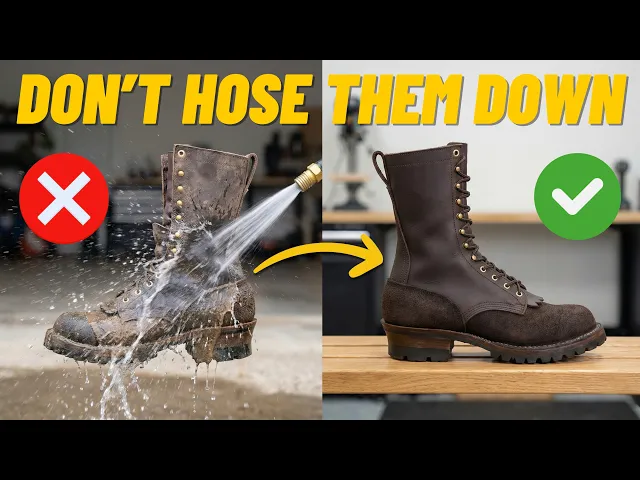
The first instinct for many when they see caked mud is to reach for the garden hose. I see it all the time. It feels efficient to spray them down and watch the mud melt away, but you are actually killing your boots.
Leather is a porous skin that relies on specific oils to stay flexible and strong. When you drench your uppers, you zap those internal oils. This causes the leather to become brittle once it dries, which eventually leads to deep cracks that no amount of conditioner can fix.
Starting with the Dry Touchless Clean
Before you ever let a drop of water touch your leather, you need to get the heavy lifting done while the boots are dry. Think of this like a touchless clean on your truck. If you start scrubbing a muddy truck with a soapy sponge, you are just grinding grit into the paint.
The same logic applies to your leather. I recommend starting by simply stomping your boots outside to knock off the large chunks. Once the heavy mud is gone, you need to grab a horsehair brush.
A horsehair brush allows you to flick away dust and fine dirt from the fibers without being abrasive. This step is vital because it prevents you from turning that dry dust into a muddy paste once you move to the wet cleaning stage.
Why Your Boots Need an Anatomy Lesson
To get a professional level clean, you cannot leave the laces in. You have to be thorough. Dirt loves to hide in the places you cannot see, specifically behind the laces and under the false tongue.
If you are wearing JK boots or Pacific Northwest loggers, you likely have a kilty. This is that extra piece of leather sitting in front of your real boot tongue. It takes the brunt of the friction from your laces and keeps debris out of the boot interior.
I found that these areas are often the dirtiest because they are overlooked. If you leave dirt trapped behind the kilty, it acts like sandpaper against the leather. It will eat through the tongue of your boot before you even realize there is a problem.
Cleaning Without Drowning the Fibers
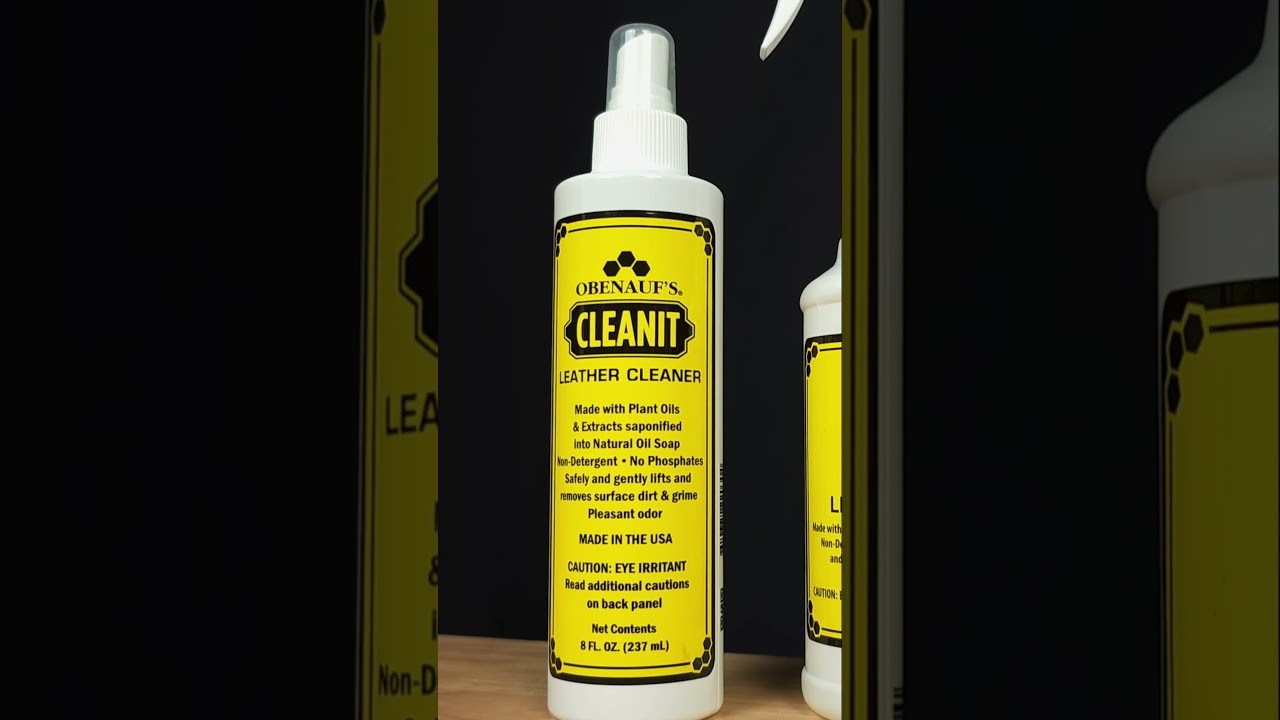
Once the hardware is removed, it is time for a controlled wet clean. This is designed to pull the built up grime out of the fibers of the leather. I prefer using a dedicated leather cleaner rather than just plain water.
Focus your attention on the creases and the crevices. The welt stitching near the soles is a magnet for mud because it is closest to the ground. If dirt starts to eat away at the stitching, your soles will be the first things to fail.
Rough out leather is particularly durable and hides scratches well. However, those same fibers can attract a massive amount of dirt over time. You do not need to be perfect, but you do need to be consistent with your routine.
The Strategic Application of Leather Oil
After your boots are clean and dry, they will likely look a bit pale and feel slightly stiff. This is the leather telling you it is hungry. In hot environments like California, I prefer using a high quality leather oil.
Leather oil penetrates deep into the fibers to keep them malleable. It allows the boot to bend and flex with your foot rather than resisting and cracking. I apply as much oil as the leather is willing to accept.
Work boots are tools meant for hard use, not collectible sneakers for a trophy box. While the oil will initially darken the leather, this is a sign of health. Over weeks of wear, the color will lighten up as the oil settles and the leather breathes.
Why You Must Avoid the Eyelets and Welts
There is a dangerous mistake people make when they get overzealous with conditioning. You should never apply heavy oil to the metal eyelets or the welt. I learned this the hard way through years of observation.
If you saturate the leather around the eyelets, it becomes too soft. When you pull your laces tight every morning, those metal eyelets can eventually pop right out of the weakened leather. A light touch is fine, but do not soak them.
The same goes for the welt where the sole meets the upper. Many boots use glue adhesives to help keep the sole together. Heavy oil can eat away at those adhesives and cause your boots to delaminate prematurely.
The Truth About Darkening Rough Out Leather
A lot of people hesitate to condition rough out or suede because they are afraid of changing the look. You have to decide if you want a certain aesthetic or a boot that lasts twenty years. For a work boot, survival is the priority.
Rough out leather absolutely loves oil. It drinks it up and stays hydrated even in harsh, hot environments or while digging trenches. The darkening is a temporary trade off for the massive boost in durability you are giving the hide.
If you notice your boots are getting lighter in color and feel dry to the touch, it is time to condition. If they are still soft and flexible, you might just need a quick brush. Use your hands to feel the leather: it should feel like skin, not cardboard.
Establishing a Cadence of Stewardship
There is no perfect schedule for boot care because every job site is different. If you are pouring concrete or working in mud every day, you should be brushing them daily and cleaning them weekly. If you only wear them on concrete once a week, you can go months between sessions.
To keep the interior as healthy as the exterior, I always recommend using cedar boot trees. They help maintain the shape of the boot and pull moisture and order out of the lining. This prevents the leather from rotting from the inside out due to sweat.
Caring for your boots is an act of stewardship. You worked hard for the money to buy them, so work just as hard to keep them. A few minutes in the garage after a shift is the difference between a boot that lasts two years and one that lasts twenty.
If this helped your leather, consider supporting Evumies. It is always free, and always will be. A small tip keeps the mission going: Support Evumies.
Watch the Full Video
See every step of this process in the video this post is based on.
Evumies Recommends
Products We’ve Tested & Trust
EVUMIES RECOMMENDED
Leather Honey Leather Conditioner
Keeps leather supple and crack-free — one coat lasts up to 6 months.
4.9
See on Amazon
EVUMIES RECOMMENDED
Bickmore Bick 4 Leather Care
Restores moisture to dried leather without darkening or leaving any residue.
4.7
See on Amazon
As an Amazon Associate, Evumies earns from qualifying purchases.